
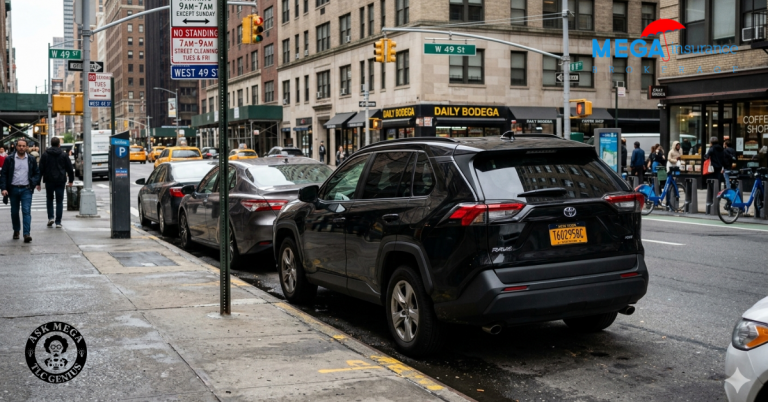
If you’re driving with Uber, Lyft, a black car base, or operating your own taxi in New York City, understanding wait time rules can help you avoid costly tickets and stay compliant.
Many TLC drivers get confused about the same issues:
- Where can you legally wait?
- How long can you idle your vehicle?
- What counts toward driving limits?
- When does waiting become a violation?
Here’s the reality: there is no single “wait time rule” issued by the NYC Taxi and Limousine Commission.
Instead, compliance depends on a combination of TLC regulations, NYC traffic laws, and local idling rules. This guide explains everything clearly so you can operate safely and avoid unnecessary fines.
What “Wait Time” Means for TLC Drivers
In everyday driving, “wait time” usually refers to:
- Sitting online waiting for a ride request
- Driving without a passenger (dead miles)
- Waiting for a passenger to come outside
However, from a regulatory perspective, the TLC does not define these as formal “working time.”
Instead, TLC rules primarily focus on passenger-carrying time and driver safety, not idle or waiting time.
Passenger Time & Fatigue Rules (What TLC Actually Tracks)
The TLC enforces rules designed to reduce fatigued driving and improve road safety.
These rules limit how long drivers can transport passengers within certain daily and weekly thresholds.
Key point:
- Time with a passenger in the vehicle is what matters most
- Waiting, cruising, or heading to a pickup is not treated the same way
Official reference:
https://www.nyc.gov/site/tlc/about/fatigued-driving-prevention.page
NYC Idling Rules: A Common Source of Tickets
Even if you are parked legally, you cannot leave your engine running indefinitely.
Under NYC idling laws:
- Maximum 3 minutes of idling in most areas
- Maximum 1 minute near schools
These rules apply to all vehicles, including TLC-licensed vehicles. Violations can result in fines and penalties.
Best practice: If you expect to wait more than a couple of minutes, turn off your engine.
Official reference:
https://nyc-business.nyc.gov/nycbusiness/description/idling-regulations
Where You CAN Wait Legally in NYC
You can legally wait in:
- Standard legal parking spaces (always check posted signs)
- Metered parking zones (within time limits)
- Areas without “No Standing” or “No Stopping” restrictions
- Designated TLC/FHV relief stands
Relief stands allow drivers to park and leave their vehicles for short periods while waiting for trips.
Official reference:
https://www.nyc.gov/html/dot/html/motorist/taxirelief.shtml
Where You CANNOT Wait (High-Risk Areas)
Avoid waiting in these locations unless actively picking up or dropping off passengers:
- Bus stops and bus lanes
- Bike lanes
- Crosswalks
- Within 15 feet of a fire hydrant
- “No Standing Anytime” zones
- Double parking or blocking traffic
Being online with a rideshare app does not exempt you from NYC traffic laws.
Pickup & Drop-Off Rules: Keep It Brief
TLC drivers are allowed to stop briefly for pickups and drop-offs.
- Stop close to the curb
- Avoid blocking traffic or bike lanes
- Keep stops short and efficient
If a passenger is delayed, it’s safer to move and reposition instead of waiting in a restricted area.
Common Mistakes That Lead to Fines
- Double parking “just for a minute”
- Waiting in bus stops or bike lanes
- Ignoring street signs
- Idling longer than allowed
- Stopping in “No Standing” zones
These violations are heavily enforced and can quickly reduce your earnings.
Special Note for WAV Drivers
Drivers operating Wheelchair Accessible Vehicles (WAVs) may experience different demand patterns.
Staying closer to high-demand areas can help reduce downtime and increase trip opportunities.
Smart Waiting Strategies for TLC Drivers
- Use relief stands whenever possible
- Always check street signs before stopping
- Turn off your engine during longer waits
- Avoid high-risk zones
- Reposition instead of waiting illegally
Stay Compliant While Waiting
Most violations happen due to traffic and parking mistakes—not because of app usage.
Even if you’re using Uber or Lyft, you must follow all NYC traffic and parking laws.
- Always follow posted signs
- Only stop where legally allowed
- Respect idling limits
- Use designated waiting areas
Quick FAQ
Can I wait anywhere while I’m online?
No. NYC traffic and parking laws always apply.
Does waiting count toward TLC driving limits?
No. TLC mainly tracks time with passengers.
How long can I idle?
Up to 3 minutes, or 1 minute near schools.
Can I wait in a bus stop?
No. This commonly results in a ticket.
Final Thoughts
Wait time rules in NYC may seem confusing, but they come down to a few key principles:
- Waiting is allowed—but only in legal locations
- Passenger time is regulated more strictly
- Traffic and idling laws are actively enforced
By staying aware and following these rules, you can avoid fines, reduce stress, and operate more efficiently.
Disclaimer
Rules and enforcement may change. Always verify the latest updates from official TLC website
Stay updated with the latest TLC news, tips, and driver insights with #AskMegaTLCgenius.
Visit 👉 megainsurance.nyc to explore more helpful guides and trending TLC blogs.